
24/08/2026
If you have ever booked a rubbish removal job and then felt your stomach sink when the final bill...
This Modern Slavery and Human Trafficking Statement is made by Waste Disposal Earls Court in respect of the financial year ending 31 December and sets out the steps we have taken, and continue to take, to ensure that modern slavery and human trafficking are not taking place in our operations or supply chains.
Waste Disposal Earls Court operates in the waste management and environmental services sector. Our activities include the collection, sorting, and responsible disposal of commercial and domestic waste within the United Kingdom. We recognise that our supply chains, which include equipment suppliers, transport providers, facilities management, and temporary labour agencies, may be at risk of labour exploitation if not properly managed and monitored.
We maintain a zero-tolerance policy towards all forms of modern slavery, human trafficking, forced labour, child labour, and exploitation. This policy applies to all employees, contractors, agency workers, and any third parties working on our behalf. We expect our suppliers and business partners to uphold the same high standards and to act ethically and with integrity in all business dealings.
Our zero-tolerance position is reflected in our internal policies, codes of conduct, and contractual terms with suppliers. Any breach or suspected breach of this policy is treated as a serious matter and may result in the termination of contracts or working relationships, as well as reporting to relevant authorities where appropriate.
We recognise that effective management of modern slavery risks requires robust oversight of our supply chain. Before engaging new suppliers, we undertake due diligence to assess their labour practices, reputation, and compliance with relevant legislation. This can include requesting information on their own modern slavery measures, labour policies, and workforce conditions.
For higher-risk categories, such as temporary labour providers and certain logistics and subcontracted services, we may conduct more detailed checks. These may involve reviewing employment documentation, verifying that wages meet or exceed legal minimums, confirming that workers have freedom of movement and the right to leave employment, and ensuring there is no use of recruitment fees or inappropriate deductions from pay.
We reserve the right to conduct supplier audits, either announced or unannounced, to verify compliance with our modern slavery expectations. Where non-compliance or areas of concern are identified, we work with suppliers to agree corrective action plans and monitor progress. Where a supplier fails to address serious issues within agreed timeframes, we may suspend or end our relationship with that supplier.
We are committed to raising awareness of modern slavery across Waste Disposal Earls Court. Relevant staff, particularly those involved in procurement, contract management, site supervision, and human resources, receive training on identifying potential indicators of modern slavery and responding to concerns. This training is refreshed periodically to ensure that our teams remain informed about current risks and best practices.
We promote a culture where ethical conduct is expected and where concerns can be raised without fear of retaliation. Managers are responsible for reinforcing these expectations and ensuring that teams understand the importance of vigilance in identifying and reporting potential issues.
We encourage anyone who has concerns about modern slavery or unethical labour practices connected to our business or supply chain to report them as soon as possible. Concerns can be raised through line managers, the human resources team, or a dedicated confidential reporting channel operated internally.
All reports are taken seriously and will be investigated promptly and sensitively. We will protect the confidentiality of individuals who raise concerns and will not tolerate any form of victimisation or retaliation. Where allegations are substantiated, we will take appropriate remedial action, which may include engaging with affected workers, working with suppliers to rectify issues, or reporting matters to relevant enforcement bodies.
Responsibility for overseeing our modern slavery approach sits with the senior management team of Waste Disposal Earls Court. They review our policies, risk assessments, and supplier performance to ensure that our efforts remain effective and proportionate to the risks we face.
This Statement and our supporting procedures are reviewed at least annually, or more frequently if there are significant changes in our operations, regulations, or risk profile. As part of the annual review, we consider feedback from employees, suppliers, and other stakeholders, the results of any audits or investigations, and emerging guidance or good practice from industry bodies and regulators.
Through continual improvement, Waste Disposal Earls Court is committed to strengthening its controls and fostering transparent, fair, and humane working conditions across our business and supply chains, helping to prevent modern slavery and supporting respect for human rights.

GET A FREE QUOTE
Too sick to move junk? Our team is here to help you out!
Enrust our waste disposal Earls Court company to give you the best service at highly competitive prices! Call us today and see what we offer!
 Tipper Van - Rubbish Removal and Garden Waste Disposal Prices in Earls Court, SW5
| Space іn the van | Loadіng Time | Cubіc Yardѕ | Max Weight | Equivalent to: | Prіce* |
| Minimum Load | 10 min | 1.5 | 100-150 kg | 8 bin bags | £90 |
| 1/4 Load | 20 min | 3.5 | 200-250 kg | 20 bin bags | £160 |
| 1/2 Load | 40 min | 7 | 500-600kg | 40 bin bags | £250 |
| 3/4 Load | 50 min | 10 | 700-800 kg | 60 bin bags | £330 |
| Full Load | 60 min | 14 | 900-1100kg | 80 bin bags | £490 |
*Our rubbish removal prіces are baѕed on the VOLUME and the WEІGHT of the waste for collection.
 Luton Van - Rubbish Removal and Garden Waste Disposal Prices in Earls Court, SW5
| Space іn the van | Loadіng Time | Cubіc Yardѕ | Max Weight | Equivalent to: | Prіce* |
| Minimum Load | 10 min | 1.5 | 100-150 kg | 8 bin bags | £90 |
| 1/4 Load | 40 min | 7 | 400-500 kg | 40 bin bags | £250 |
| 1/2 Load | 60 min | 12 | 900-1000kg | 80 bin bags | £370 |
| 3/4 Load | 90 min | 18 | 1400-1500 kg | 100 bin bags | £550 |
| Full Load | 120 min | 24 | 1800 - 2000kg | 120 bin bags | £670 |
*Our rubbish removal prіces are baѕed on the VOLUME and the WEІGHT of the waste for collection.
If you have ever booked a rubbish removal job and then felt your stomach sink when the final bill...
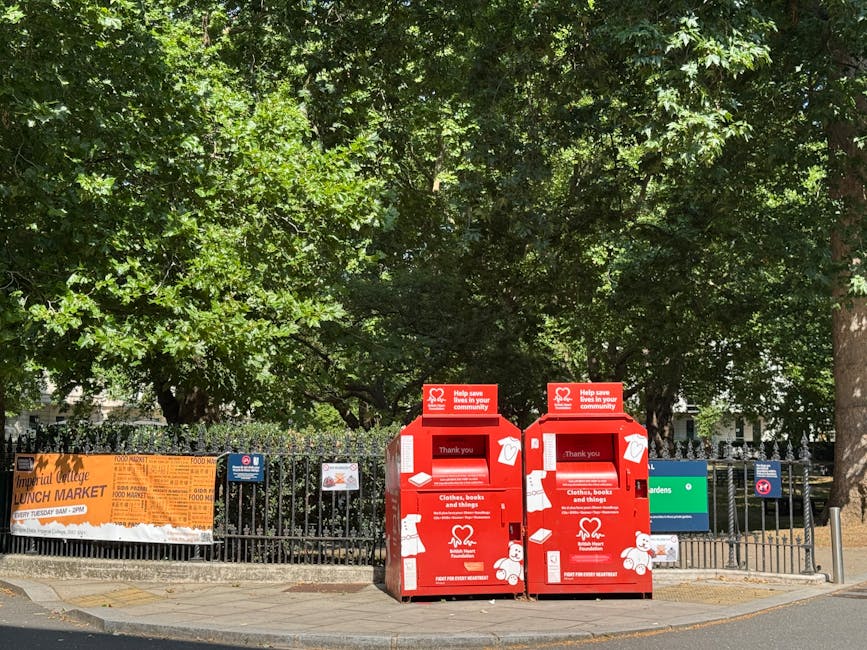
If you're trying to sort rubbish near Earls Court Station, you probably want one thing: a pickup...

If you need Old Brompton Road same day rubbish pickup Earls Court, chances are the job has...
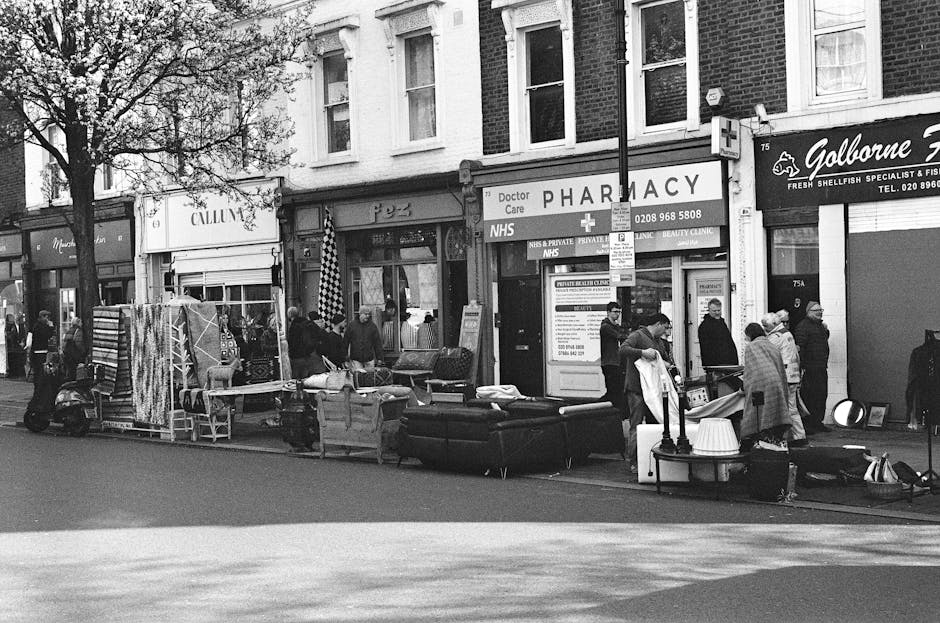
If you live on Nevern Place, you already know the awkward truth: bulky rubbish has a knack for...
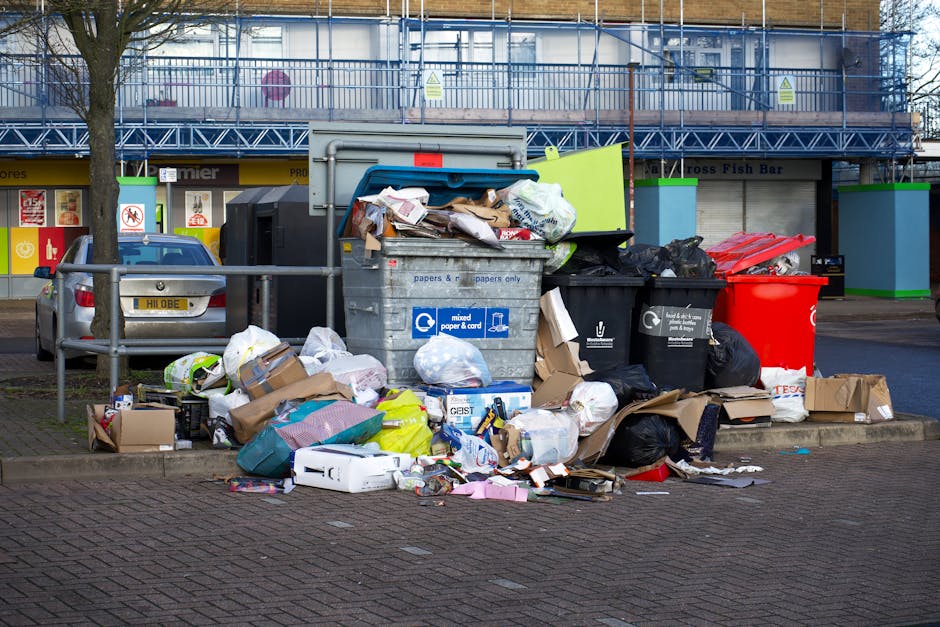
If you live on Earls Court Road, you already know rubbish can build up faster than you expect.

Earls Court, an affluent and vibrant area in Central London, has long been a desirable location...

Located in the bustling heart of West London, Earl's Court is a vibrant neighborhood known for...

Nestled in the heart of London lies the enchanting neighborhood of Earl's Court. This charming...

Investing in real estate is a time-honored strategy for building wealth and securing financial...

Situated in the heart of London, Earls Court is a vibrant and diverse area known for its eclectic...

 (77)
(77)