SW5 rubbish collection tips Earls Court Road residents
Posted on 19/06/2026
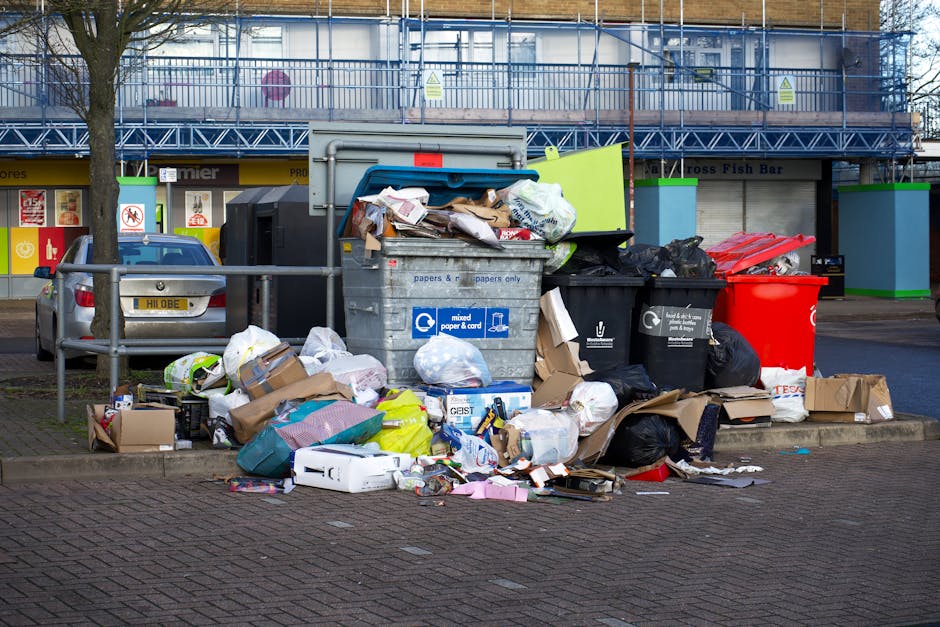
SW5 rubbish collection tips Earls Court Road residents can actually use
If you live on Earls Court Road, you already know rubbish can build up faster than you expect. A flat move, a landlord turnaround, a small office clear-out, a bulky sofa at the wrong time of week - suddenly the hallway is full and the kerbside feels too small. These SW5 rubbish collection tips Earls Court Road residents are designed to help you stay on top of waste without turning the whole job into a headache.
This guide covers what rubbish collection means in practical terms, how local collection and private clearance services usually work, what to avoid, and how to choose the right approach for domestic, furniture, builders, or office waste. You will also find a checklist, a comparison table, and a realistic example from everyday Earls Court life. Let's make it simpler, because honestly, waste should not take over your week.
Key takeaway: the best rubbish collection plan is the one that matches your waste type, your access, and your timing. A little planning saves a lot of stairs, stress, and awkward parking manoeuvres.
Why SW5 rubbish collection tips Earls Court Road residents matters
Rubbish collection in SW5 is not just about getting things out of the door. On Earls Court Road, space is at a premium, buildings are often multi-storey, and access can be tight. That means a poor plan can lead to bags sitting around, blocked hallways, missed collection windows, or waste being left in the wrong place. None of that is ideal, especially if you share a building with neighbours who are already trying to get past with prams, shopping, or bikes.
Good rubbish handling matters for a few reasons. First, it keeps your home or business usable. Second, it lowers the chance of pests, smells, and accidental damage. Third, it helps you avoid the messy middle ground of half-sorted waste. And perhaps most importantly, it makes it easier to choose the right service, whether that is a regular household pick-up, a one-off rubbish collection, or something more specialist like furniture removal Earls Court or builders waste disposal Earls Court.
There is also a local reality here. Earls Court mixes residential flats, short-let turnover, offices, shops, and renovation work. Waste is not one-size-fits-all. A pile of cardboard from a move-out behaves very differently from a broken wardrobe, a set of office chairs, or heavy DIY rubble. Once you see that difference clearly, the whole process becomes easier. Not glamorous. Just easier.
How SW5 rubbish collection tips Earls Court Road residents works
At the simplest level, rubbish collection works in two broad ways: scheduled local collection through your normal waste arrangements, or a private collection arranged when you need flexibility, speed, or help with larger items. For many Earls Court Road residents, the choice comes down to timing, volume, and access.
Local collection is best when your waste is suitable for standard household disposal and can be presented properly. Private collection is more useful when you have bulky items, mixed loads, awkward access, or a deadline. That could be a flat move on a Sunday, an office refresh after hours, or a clear-out before letting a property. If you are coordinating a larger job, a broader service like waste clearance Earls Court or house clearance Earls Court may be more efficient than trying to piece everything together yourself.
The process is usually straightforward:
- Identify the waste type and how much you have.
- Separate recyclable, reusable, and general waste where you can.
- Check whether the items need special handling, especially for appliances or bulky furniture.
- Decide whether collection, removal, or disposal is the better fit.
- Arrange a time that works with your building access and neighbours.
- Make sure the waste is ready to move, with nothing hidden or mixed in by accident.
If you are dealing with appliances, for example, it is worth looking at white goods and appliance disposal Earls Court rather than treating the item like ordinary rubbish. A fridge, washing machine, or oven is not just another bag at the kerb. It needs a sensible route out of the property and proper handling.
Truth be told, the easiest collections are the ones prepared the night before. You label things, clear a route, maybe move a lamp or two out of the way, and by morning the job feels half done already.
Key benefits and practical advantages
When your rubbish is managed properly, the benefits are immediate. You get your space back, reduce clutter, and make the property feel calmer. That is not a small thing. A tidy hallway or spare room changes how a home feels, especially in smaller SW5 flats where every metre counts.
Here are the advantages residents usually notice first:
- Less stress: no need to keep moving bags around the flat.
- Better use of space: rooms become usable again, not storage by default.
- Cleaner shared areas: important in blocks and mansion-style conversions.
- Fewer mistakes: sorting waste properly reduces rejected items or confusion.
- Faster turnaround: especially useful during moves, refurbishments, or tenancy changes.
- More suitable disposal routes: bulky, mixed, or specialist waste can be handled correctly.
There is also a practical money angle. A well-planned collection is often better value than repeated small-scale trips, emergency disposal, or leaving things to pile up until the job becomes bigger than it needed to be. If you want to understand how different collection options are typically priced, the pricing and quotes page is useful as a general starting point.
And yes, there is an emotional benefit too. Sounds odd, maybe, but a clear flat after a proper collection just feels lighter. You open the window, there is fresh air instead of that stale cardboard-and-dust smell, and suddenly the place looks like somewhere you actually live again.
Who this is for and when it makes sense
This topic is relevant for a wider group than many people think. It is not just for someone doing a big spring clean. Earls Court Road residents often need rubbish collection support at very ordinary moments that just happen to involve awkward logistics.
It makes sense for you if you are:
- moving in or out of a flat;
- clearing out after a tenancy;
- removing old furniture or appliances;
- renovating a kitchen, bathroom, or hallway;
- running a small office and need regular or one-off waste removal;
- managing a property between occupants;
- clearing a loft, storeroom, or basement;
- dealing with garden waste from a shared courtyard or patio.
For landlords and agents, the timing matters even more. A delay in rubbish removal can throw off cleaning, photography, repairs, and viewings. If you are in that position, it may help to pair a collection plan with the practical advice in Earls Court living: what to expect or list your Earls Court property, especially when turnover has to happen quickly.
Small business owners, too, tend to benefit from a more organised approach. Office chairs, desks, packaging, archive boxes, and small electrical items build up quietly. Then one Friday afternoon, there they are. All of them. Suddenly.
Step-by-step guidance
If you want a process that works without becoming overcomplicated, use this sequence. It is simple, but simple works.
1. Walk through the space first
Do a proper look at everything you want removed. Do not guess. Open cupboards. Check under desks. Look in corners, behind doors, and on balconies if you have them. Half the "rubbish" people think they have is actually mixed use clutter that needs separating.
2. Split waste into clear categories
Separate general rubbish, recyclables, furniture, white goods, garden waste, and builders waste. If you are clearing multiple rooms, keep each category together. It saves time later and makes quoting easier.
3. Decide what should be kept, donated, or disposed of
One good habit is to ask a simple question: would I pay to move this item if I were moving tomorrow? If the answer is no, it may be time to let it go. That does not mean everything must be thrown away, of course. Useful, reusable items should be treated with care.
4. Check access
Earls Court properties often have staircases, narrow entrances, intercom systems, parking limits, or shared hallways. Measure bulky items before collection day. If a sofa will not fit, it is better to know that early than to discover it while a doorway is already blocked. Not fun.
5. Choose the right service type
For household leftovers, domestic waste collection Earls Court may be enough. For large clear-outs, think about office clearance Earls Court or loft clearance Earls Court. For a mixture of old furniture and other bulky items, furniture disposal Earls Court can be the more direct route.
6. Prepare the waste for collection
Stack items neatly, remove small loose bits from drawers or shelves, and keep walkways clear. If you have glass, sharp edges, or heavy pieces, make sure they are safe to carry. It sounds obvious. In practice, people forget all the time.
7. Confirm what happens after collection
Ask how the waste is handled, especially if you care about recycling and reuse. Responsible disposal matters. If sustainability is part of your decision, see the site's recycling and sustainability information for a clearer sense of the approach.
Expert tips for better results
These are the small things that make a big difference in SW5, especially where access is tight and time is limited.
- Book around your building rhythm. Avoid the school-run rush, peak delivery times, or the hour when everyone in the block seems to be leaving at once.
- Use one collection point. Don't scatter items across three rooms if you can help it. Keep the load together and easy to inspect.
- Break down bulky items where safe. Flat-pack furniture, disassembled bed frames, and collapsed cardboard are easier to move and may reduce volume.
- Separate electricals early. Appliances and electronics are often better treated as a distinct category rather than mixed in with ordinary rubbish.
- Take photos of larger loads. Not fancy ones, just enough to help you explain the job clearly if you are requesting a quote.
- Keep a spare bag or box for odd bits. Loose screws, brackets, cables, and shelf fixings have a way of disappearing into the wrong pile.
If you are dealing with renovation debris, keep in mind that builders waste is a different beast. Dusty rubble, timber offcuts, tiles, and packaging all behave differently. For that kind of job, builders waste disposal Earls Court is the better match than a standard household approach.
A small aside: the most common collection delay is not the waste itself. It is the shoes, the coat rack, the bike, and the one box nobody wanted to admit belonged to them. Happens every time.

Common mistakes to avoid
Most rubbish collection problems are avoidable. They usually come from rushing, guessing, or assuming one service covers every type of waste. It rarely does.
- Mixing everything together. This makes sorting harder and can lead to the wrong disposal route.
- Leaving it until the last minute. The job gets bigger, access becomes worse, and stress levels go up fast.
- Not checking item size. Bulky furniture can be awkward in stairwells and basement conversions.
- Ignoring specialist waste. Fridges, freezers, and electrical items need proper handling.
- Forgetting shared access rules. In blocks of flats, you may need to be mindful of times, noise, and communal space.
- Assuming the cheapest option is the best. It is often cheaper to do the right thing once than to fix a problem twice.
- Blocking exits. Safety comes first. Always.
One more thing: if you are clearing out a whole property, don't underestimate how long the tiny bits take. Broken hangers, old magazines, dead batteries, random chargers. The little stuff eats time like nothing else.
Tools, resources and recommendations
You do not need a warehouse full of equipment to organise a better rubbish collection. A few practical tools make the job smoother and much less annoying.
- Strong bin bags or rubble sacks: useful for loose general waste and bulky soft items.
- Marker pens and labels: help you mark what is staying, going, recycling, or being donated.
- Gloves: simple, but worth it for rough edges, dust, and awkward lifts.
- Tape measure: especially useful for furniture and appliance clearance.
- Phone camera: handy for recording the load, checking sizes, or sending photos before booking.
- Basic box cutter or screwdriver: useful if items can be safely dismantled.
As for service selection, think in terms of the job, not just the item. A single old mattress might be fine with a straightforward collection. A full flat clear-out probably needs something more structured. If you are looking for a wider service menu, services overview is a practical place to understand what kinds of support are available.
If you are comparing providers, also look at trust signals that matter in the real world: transparent pricing, clear communication, proper handling of waste, and a sensible approach to payments. The pages on payment and security and waste carrier licence and compliance are useful reminders of what to check before you book.
Law, compliance, standards, or best practice
In the UK, waste has to be handled responsibly. You do not need to become a compliance expert to get this right, but you should be aware of a few basics. The general best practice is simple: waste should be transferred to a legitimate carrier, handled appropriately for its type, and kept out of the wrong stream. That is especially important for items like electricals, bulky furniture, and builders waste.
For residents, the practical takeaway is straightforward. Do not leave waste on the street without checking that it is suitable and permitted. Do not hand waste to someone who cannot show they are properly set up to carry and dispose of it. And if you are managing a property or business, keep a record of what left, when, and through which route. It sounds fussy until you need it. Then it suddenly does not feel fussy at all.
Good practice also means safety. Heavy lifting, sharp edges, broken glass, and awkward staircases are all part of waste removal in Earls Court. If a lift-out seems unsafe, stop and reassess. A slightly slower collection is better than a pulled back or a chipped banister. No contest.
Options, methods, or comparison table
Here is a simple comparison of common rubbish collection approaches for Earls Court Road residents.
| Method | Best for | Strengths | Limitations |
|---|---|---|---|
| Standard household collection | Routine household waste and small amounts of recyclables | Convenient, familiar, good for regular disposal | Not suitable for bulky items or mixed clear-outs |
| One-off rubbish collection | Moderate volumes, mixed household waste, quick clear-ups | Flexible, time-saving, easier for busy residents | May still need item separation and access preparation |
| Bulky item removal | Sofas, beds, wardrobes, appliances | Handles awkward items properly, reduces lifting stress | Needs clear access and item details |
| House or flat clearance | Full or near-full property clear-outs | Best for moves, bereavements, landlord resets, major changes | More planning required, especially in flats or shared buildings |
| Specialist waste disposal | Builders waste, office waste, appliances, garden waste | Correct handling for specific waste types | Must match the service to the waste type |
If you are comparing options for a larger domestic job, a dedicated service such as waste disposal Earls Court can be more efficient than trying to force everything into one generic approach. And for mixed household furniture, furniture removal Earls Court may save you a lot of carrying, especially up and down narrow staircases.

Case study or real-world example
Picture a typical Earls Court Road flat on a Friday afternoon. A couple is moving out, the hallway has two old dining chairs, a dismantled bed base, a broken lamp, four bags of soft rubbish, and a small fridge that nobody wanted to deal with earlier in the week. The collection window is tight because the new tenants arrive on Monday morning. Classic.
What worked well in this situation was not some grand plan. It was a simple sequence. They separated the fridge from the rest of the waste. They flattened boxes. They moved the chairs and bed frame near the door. They kept the hallway clear. They also checked the access route, which mattered because the stairs were narrow and the fridge was heavier than it looked. Of course it was heavier than it looked.
Because the load was organised, the collection went quickly, and cleaning could begin straight after. That made the flat easier to stage for the next occupants and reduced the chance of last-minute chaos. The same approach works whether you are a resident, landlord, agent, or office manager. Prepare early, separate properly, and keep the route clear.
The useful lesson here is that rubbish collection is rarely just about removal. It is part of a bigger chain: clearing, cleaning, repairing, and moving on with your day. When one link is sloppy, the rest feel it.
Practical checklist
Use this before collection day. It keeps things calm and makes the process smoother.
- Identify every item you want removed.
- Separate general waste, recyclables, furniture, appliances, and special waste.
- Measure any large or awkward pieces.
- Check stairs, lifts, door widths, and parking/access restrictions.
- Clear the path from the item location to the exit.
- Remove loose contents from drawers, shelves, and cupboards.
- Bundle cables, fittings, and small parts together.
- Keep glass, sharp objects, and heavy items safe to lift.
- Confirm timing with anyone sharing the property or entrance.
- Make sure you know which service type suits the load.
- Ask how reusable or recyclable items are handled.
- Prepare payment details and any necessary access instructions.
If you are dealing with a more complex clear-out, the checklist still helps, but you may want to pair it with a dedicated service like office clearance Earls Court or house clearance Earls Court. The right match matters. A lot.
Conclusion
Good rubbish collection in SW5 is really about good decisions made early. If you sort waste sensibly, think about access, choose the right service, and stay mindful of safety and compliance, the whole process becomes much easier. Earls Court Road residents often deal with tight spaces, busy schedules, and mixed waste types, so a little structure goes a long way.
The main thing to remember is this: do not wait until the room feels unmanageable. Break the job into pieces, handle each item category properly, and use the collection method that actually fits the load. That is how you avoid stress and get your space back with the least fuss.
Get a free quote today and see how much you can save.
And if all you manage today is one cleared corner and one less bag by the door, that still counts. In a busy part of London, sometimes that is exactly the win you needed.


 Tipper Van - Rubbish Removal and Garden Waste Disposal Prices in Earls Court, SW5
 Luton Van - Rubbish Removal and Garden Waste Disposal Prices in Earls Court, SW5